
Website Strategy

For posts about website planning, structure, redesigns, user journeys, and strategic web design.

Business professionals reviewing analytics on a tablet during a meeting.
Digital Strategy, Website Strategy

What Is Digital Strategy, and Why Does Your Business Need One?

Star Bear Atelier What Is Digital Strategy, and Why Does Your Business Need One? Digital strategy helps connect your website, content, SEO, messaging, and campaigns so your online presence feels clear, focused, and aligned with your business goals. Digital strategy is one of those phrases that can sound bigger and more complicated than it needs to be. At its core, digital strategy is the plan behind how your business shows up online. It connects your website, messaging, content, SEO, social media, email, ads, campaigns, and customer journey so everything works together instead of feeling scattered. Without strategy, your online presence can start to feel like a collection of disconnected pieces. You have a website, but it does not clearly support your goals. You post on social media, but you are not sure what the content is leading toward. You write emails, run ads, update pages, or create offers, but the whole thing feels more reactive than intentional. A digital strategy gives your online presence a direction. It helps answer the bigger questions: What are we trying to communicate? Who are we trying to reach? What do we want people to do next? How should all of our digital pieces support the same goal? For Star Bear Atelier, digital strategy is about creating a clearer path. It is not just marketing for the sake of marketing. It is making sure your website, content, SEO, and campaigns are all moving in the same direction. Digital Strategy Is the Plan Behind the Presence Most businesses have some kind of online presence. They may have a website, social media accounts, a Google Business Profile, an email list, blog posts, ads, online listings, or a few landing pages. But having those pieces does not automatically mean they are working together. Digital strategy looks at the full picture and asks how each piece supports the business. Your website should not be separate from your content. Your SEO should not be separate from your service pages. Your social media should not be separate from your offers. Your ads should not be separate from your landing pages. Each piece should have a job. A digital strategy helps define those jobs so your online presence becomes more intentional. Instead of creating content because you feel like you “should post something,” you know what the content is meant to do. Instead of building a page just because another business has one, you understand how that page supports your visitor journey. The goal is not to make everything more complicated. The goal is to make things clearer. Digital Strategy Starts With Business Goals A good digital strategy starts with your actual business goals, not with trends. It is easy to get distracted by whatever platform, content format, or marketing tactic is getting attention at the moment. One week it is short-form video. Another week it is AI search. Then it is email funnels, lead magnets, webinars, ads, or a new social platform. Some of those tools may be useful. Some may not be the right fit. The only way to know is to come back to the business goal. Do you want more inquiries? Better-fit leads? More local visibility? More online sales? More event registrations? More donations? More authority in your field? A clearer client journey? A better launch process? Each goal may need a different strategy. For example, a business that wants local inquiries may need stronger local SEO, a better Google Business Profile, clear service area content, and a website that makes contacting them easy. A consultant who wants higher-quality leads may need stronger positioning, clearer service pages, case studies, and a more thoughtful inquiry process. An author may need book pages, audience-specific content, media materials, and clear purchase paths. Digital strategy helps you choose the right tools for the goal instead of chasing every possible tactic. Messaging Is a Big Part of Digital Strategy Your digital strategy is not only about where you show up. It is also about what you say when people find you. Messaging shapes how people understand your business. It includes your headlines, service descriptions, website copy, social captions, email content, ads, calls to action, and even the way you explain your process. If your messaging is unclear, your marketing will feel harder than it needs to be. You may find yourself constantly explaining what you do, attracting poor-fit inquiries, or rewriting content because nothing quite feels right. A strong digital strategy clarifies your message so your audience can quickly understand: What you offer Who you help What problem you solve Why your approach is different What the next step should be Clear messaging does not mean stripping away personality. Your brand can still sound warm, bold, creative, professional, playful, grounded, or cosmic. The important thing is that people understand what you mean. When your messaging is clear, every part of your online presence becomes easier to create. Your Website Is Usually the Center of the Strategy Your website is often the most important piece of your digital strategy because it is the place where your brand, services, content, SEO, and calls to action come together. Social media can create visibility. Ads can send traffic. SEO can help people find you. Email can nurture relationships. But your website is usually where people go when they want the full picture. That means your website should not be treated as separate from your marketing. It should be built to support it. A strategic website helps visitors understand who you are, what you offer, why it matters, and what to do next. It should also support SEO, house your best content, and give your campaigns somewhere strong to land. If the website is unclear, outdated, or disconnected from the rest of your online presence, your digital strategy will have a weak center. Everything else has to work harder because the main hub is not carrying its weight. A strong website gives the rest of your strategy somewhere solid to orbit. Content Strategy Gives Your Marketing a
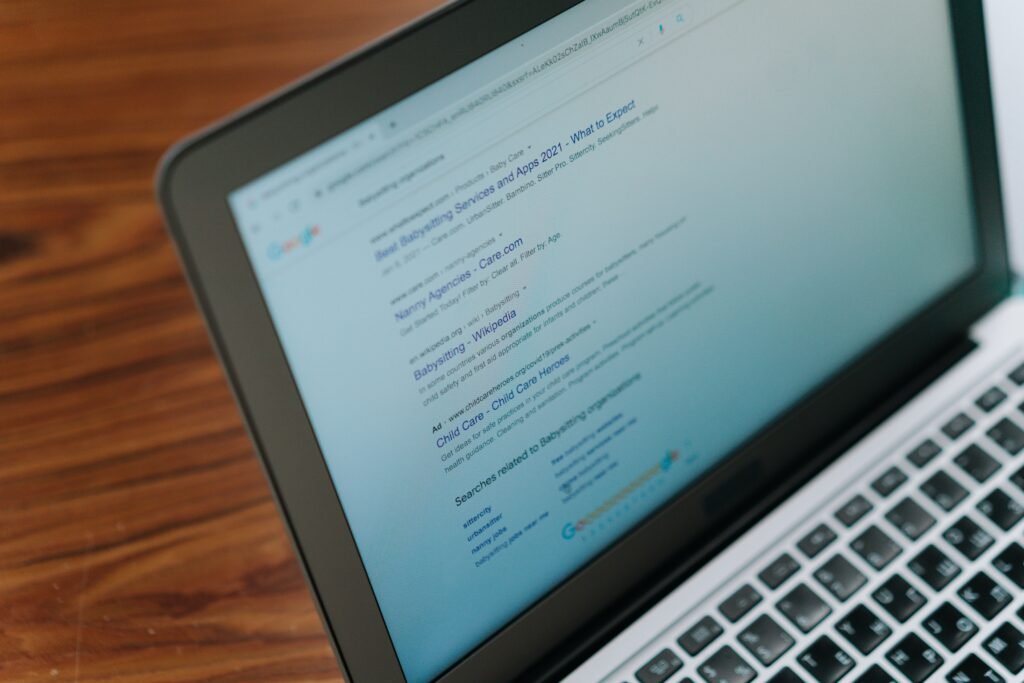
seo, sem, marketing, optimization, web, internet, search engine, website, web traffic, strategy, content, advertising, online, www, analysis, service, seo, seo, seo, seo, seo
SEO & Search Visibility, Website Strategy

Why SEO Should Start During the Website Build

Star Bear Atelier Why SEO Should Start During the Website Build SEO works best when it is built into your website from the beginning. Learn why structure, content, keywords, and user experience should be part of the design process. SEO is often treated like something you add to a website after it is finished.w21312 The site gets designed, the pages get built, the copy gets added, and then someone says, “Now we should optimize it for Google.” At that point, SEO becomes a patch instead of part of the plan. That approach can work in small ways, but it usually makes the job harder than it needs to be. SEO is much more effective when it is considered from the beginning of the website build, not tacked on at the end like a last-minute checklist item. A strong website should look good, feel clear, and support the way people actually search for your services. That means SEO, structure, copy, user experience, and design should work together from the start. When SEO is built into the foundation, your website has a better chance of being understood by search engines and useful to real people. That combination matters because search visibility alone is not enough. You also need visitors to land on the site and know what to do next. SEO Is More Than Keywords When people hear “SEO,” they often think of keywords first. Keywords matter, but they are only one piece of the puzzle. Good SEO also includes website structure, page organization, headings, internal links, page speed, mobile experience, metadata, image optimization, local signals, content quality, and the overall usefulness of the site. That is why SEO belongs in the website planning process. If you wait until the site is already built, you may realize too late that important services do not have their own pages, the navigation is confusing, the copy is too thin, or the page headings do not clearly describe what the business offers. SEO is not magic dust sprinkled over finished pages. It is part of how the website is organized, written, and built. A website that starts with SEO in mind is easier to optimize because the structure already supports the strategy. Website Structure Affects Search Visibility Search engines need to understand what your website is about. Your visitors do too. Website structure helps with both. A clear structure tells search engines which pages are important, how topics relate to each other, and what each page is meant to explain. It also helps visitors move through the site without feeling lost. For example, if your business offers three distinct services, it may not be enough to mention all of them briefly on one general Services page. Each service may need its own page so there is enough space to explain what it is, who it helps, what is included, and why it matters. That kind of structure supports both clarity and SEO. Search engines can better understand each topic, and visitors can find the information most relevant to them. The same applies to location-based businesses. If you serve multiple areas, local SEO may require more than listing those areas in one sentence on the homepage. You may need thoughtful location content that helps people in those areas understand your services. These decisions should happen before the site is built, because they affect the page map, navigation, copy, and design. SEO Helps Decide What Pages Your Website Needs A website should not be built around a random page count. It should be built around what your audience needs and what your business wants to be found for. SEO research can help answer important planning questions, such as: What are people searching for? What services need their own pages? What questions should the website answer? Are people looking for local providers? What language does the audience actually use? What topics should become blog posts or resources? What pages are competitors using to show up in search? These insights can shape the website from the beginning. For example, a business may think it only needs a simple Services page, but SEO research may show that people search for each service separately. In that case, individual service pages may be a better choice. Another business may discover that potential clients are searching for educational answers before they are ready to buy. That could point toward a blog, FAQ, or resource section as part of the website strategy. SEO helps make the website more intentional. Instead of guessing what pages to build, you can create a structure based on what people actually need. SEO and Website Copy Should Work Together Website copy has to do more than sound nice. It needs to clearly explain the business, support the visitor journey, and help search engines understand the page. This is one reason SEO should not be separated from the writing process. If the copy is written without SEO in mind, it may sound polished but miss important search terms, questions, locations, or service details. If the copy is written only for SEO, it may sound stiff, repetitive, or unnatural. The best website copy does both. It sounds human and supports search visibility. This does not mean stuffing keywords into every sentence. In fact, that usually makes the page worse. Good SEO copy uses natural language, clear headings, helpful explanations, and topic-specific details. For example, a page about website design should not just say, “We create custom solutions.” It should explain what kind of website design is offered, who it is for, what the process includes, and how it helps the client. Clear copy is good for readers. Clear copy is also good for SEO. Headings Are Part of the Strategy Headings are not just design elements. They help organize the page for both visitors and search engines. A strong page should have headings that make the content easy to scan and understand. Visitors often skim before they read deeply, so headings should guide them through the page and help them

A close-up view of a laptop displaying a search engine page.
SEO & Search Visibility, Website Strategy

Local SEO: How to Help Nearby Customers Find Your Business

Star Bear Atelier Local SEO for Businesses That Want to Be Found Nearby Learn how local SEO helps nearby customers find your business through your website, Google Business Profile, service pages, location content, and online trust signals. When people need a local business, they usually do not start with a long research process. They search for what they need, compare a few options, and decide who feels trustworthy enough to contact. That might mean searching for a cleaning service near them, a business coach in their area, a wellness practitioner, a local nonprofit, a photographer, a restaurant, a contractor, or a professional service provider. Even when a business serves clients remotely, local visibility can still matter because people often trust businesses that feel established, findable, and connected to a real place. That is where local SEO comes in. Local SEO is the process of helping your business show up when people search for services, products, or organizations in a specific area. It connects your website, Google Business Profile, location information, reviews, service pages, and content so search engines and real people can better understand where you are, what you offer, and who you serve. At its best, local SEO is not about stuffing city names into every sentence. It is about making your online presence clearer, more useful, and easier to find. What Is Local SEO? Local SEO helps your business appear in searches connected to a location. These searches may include phrases like “near me,” a city name, a county, a neighborhood, or a specific service area. For example, someone might search: website designer in Cameron NC business coach near Rockwall TX cleaning service in Opelika AL Reiki class in Ferndale MI nonprofit donation program near me Local SEO helps search engines connect those searches with businesses that are relevant, trustworthy, and geographically appropriate. A strong local SEO strategy may include your website, Google Business Profile, online reviews, business directories, location pages, service pages, local content, and consistent contact information across the web. The goal is simple: when someone nearby is looking for what you offer, your business has a better chance of showing up and making a good impression. Your Website Still Matters for Local SEO A lot of business owners think local SEO is only about Google Business Profile. Your profile matters, but your website is still one of the most important parts of your local search presence. Your website gives search engines more context about your business. It explains your services, your service areas, your experience, your process, and the kinds of customers or clients you help. If your website is vague, thin, or missing location information, it may be harder for search engines to understand where you are relevant. If your website is clear and well-structured, it gives your local SEO a stronger foundation. Your website should make it easy to answer questions like: What does this business offer? Where is it located or what areas does it serve? Who does it help? How can someone contact the business? Is the business active and trustworthy? What makes this business a good choice? Your local visibility should not depend on one platform alone. Your website and your Google Business Profile should support each other. Your Google Business Profile Is a Key Local Search Tool Google Business Profile is one of the most important tools for local SEO because it can help your business appear in local search results and map-based searches. A strong profile should include accurate business information, service categories, business hours, contact details, website link, photos, service descriptions, and regular updates when appropriate. Your profile should also match the information on your website. If your business name, address, phone number, service area, or website link are inconsistent, that can create confusion for both search engines and customers. For many local businesses, the Google Business Profile is one of the first things people see before they ever visit the website. That means it needs to feel complete, current, and trustworthy. A strong profile does not replace your website, though. It should act as a bridge that helps people find you, learn the basics, and then click through to your website for more information. Clear Service Pages Help Local Customers Understand What You Offer If you want to be found for specific services, your website needs to clearly explain those services. A general Services page can be helpful, but businesses with several important services may benefit from individual service pages. Each page gives you more space to explain what the service includes, who it is for, what problems it solves, and what area it serves. For example, a cleaning company may need separate pages for residential cleaning, commercial cleaning, move-in cleaning, and recurring cleaning. A digital agency may need separate pages for website design, SEO, and digital strategy. A wellness business may need separate pages for private sessions, classes, workshops, and events. Clear service pages help visitors find the information they need. They also help search engines understand what your business should be associated with. The key is to write for humans first. A service page should sound natural, answer real questions, and guide visitors toward the next step. The SEO value comes from clarity, structure, and helpful details. Service Area Pages Can Support Local Visibility If your business serves multiple towns, cities, counties, or regions, service area pages may be helpful. These pages are designed to explain how your business serves a specific location. A good service area page should not be a copy-and-paste page with only the city name changed. That approach feels thin and unhelpful. A stronger local page includes relevant information about the service, the audience in that area, nearby context, and why your business is a good fit. For example, a service area page might include: The location or region served Services available in that area Common needs for customers in that area Local context when relevant Testimonials from nearby clients, if available A clear call to action Service area

A modern workspace featuring dual computer monitors displaying web design projects, emphasizing technology and productivity.
Digital Strategy, Website Strategy

How to Know When Your Website Needs a Redesign

Star Bear Atelier How to Know When Your Website Needs a Redesign Learn the signs your website may need a redesign, from outdated design and unclear messaging to poor SEO, weak conversions, and a site that no longer reflects your business. A website redesign can feel like a big decision. Sometimes it is obvious that a site needs help because the design is outdated, the pages are broken, or the business has changed completely since the site was first built. Other times, the signs are quieter. The website technically “works,” but it no longer feels aligned, useful, or easy to send people to. That is usually where business owners get stuck. They wonder if their website is really the problem, if they can get by with a few updates, or if it is time to start fresh with a stronger strategy. The truth is that a website does not need to be redesigned just because it is a few years old. Age alone is not the issue. A website needs a redesign when it is no longer supporting your business goals, communicating clearly, or creating a good experience for the people you want to reach. Here are the biggest signs it may be time to redesign your website. Your Website No Longer Reflects Your Business One of the clearest signs you need a redesign is that your website feels like an older version of your business. Maybe your services have changed, your pricing has changed, your audience has shifted, or your brand has grown into something more polished than what is currently online. This happens all the time. Businesses evolve, but websites often stay frozen in the moment they were launched. Over time, the gap between who you are now and what your website says about you gets wider. If you hesitate before sending people your website link, that is worth paying attention to. Your website should feel like a confident introduction, not an apology. It should help people understand where your business is now and where it is going next. A redesign can realign the site with your current services, voice, visuals, process, and goals so your online presence feels accurate again. Visitors Cannot Quickly Understand What You Do A website can look nice and still be confusing. If someone lands on your site and has to work too hard to understand what you offer, who you help, or how to take the next step, the website is not doing its job. Clear messaging is one of the most important parts of strategic web design. Visitors should not have to piece together your business from vague headlines, scattered service descriptions, or outdated copy. They should be able to understand the basics quickly and then explore more deeply if they are interested. Signs your message may be unclear include people asking questions your website should already answer, inquiries from people who are not a good fit, or visitors landing on your site but not taking action. Sometimes the issue is not your offer. It is the way the offer is presented. A redesign gives you the chance to clarify your message, restructure your pages, and guide visitors more intentionally. Your Website Looks Outdated or Inconsistent Design trends change, but a website does not need to chase every trend to be effective. What matters more is whether the site feels professional, current, and aligned with your brand. An outdated website can create doubt, even if your actual work is excellent. Visitors may wonder if the business is still active, if the information is accurate, or if the quality of the website reflects the quality of the service. Inconsistent design can also weaken trust. If your fonts, colors, images, buttons, spacing, and page layouts feel random, the site may seem less polished than your business really is. A redesign can help create a stronger visual system. That does not always mean making the site flashier. Often, the best redesigns are cleaner, clearer, and easier to use. Your Website Is Hard to Use on Mobile A website has to work well on phones. Many people will visit your site from a mobile device before they ever see it on a desktop computer. If the mobile version is awkward, slow, crowded, or hard to navigate, you may be losing visitors before they have a real chance to understand your business. Common mobile issues include text that is too small, buttons that are hard to tap, images that do not resize properly, menus that are confusing, forms that are frustrating to complete, and pages that take too long to load. Mobile experience is not just a technical detail. It affects trust, usability, SEO, and conversions. A site that looks fine on desktop but falls apart on mobile is not truly working. If your current website was not designed with mobile users in mind, a redesign may be the best way to fix the experience from the ground up. Your Website Is Not Bringing in the Right Inquiries Your website should help attract and qualify the right people. If you are getting inquiries that do not match your services, budget, process, or ideal client type, your site may not be setting expectations clearly enough. This does not mean every inquiry will be perfect. But if you regularly hear from people who are confused about what you do, asking for services you do not offer, or expecting a level of support that does not fit your business, your website may need stronger positioning. A strategic redesign can help clarify who you serve, what you offer, what your process looks like, and what people should know before reaching out. This can reduce mismatched inquiries and help better-fit clients feel more confident contacting you. A good website does not just bring more traffic. It helps bring more aligned traffic. Your Website Is Not Supporting SEO If your website is not showing up in search, the issue may go deeper than a few missing keywords. SEO works best when

Hands typing on a laptop with a blog post visible, cozy indoor setting with colorful screen in background.
SEO & Search Visibility, Website Strategy

The 5 Pages Every Small Business Website Needs

Star Bear Atelier 5 Essential Pages for a Strong Business Website A beautiful website is a great start, but strategy is what helps visitors understand, trust, and take action. Learn what makes a website truly strategic.  It is a fair question. Website planning can get overwhelming quickly, especially when you start looking at other brands and seeing menus full of dropdowns, landing pages, blogs, resources, portfolios, FAQs, service sections, location pages, and case studies. Suddenly, what started as “we need a better website” turns into a whole constellation of decisions. The good news is that a website does not have to be huge to be effective. Whether you are building for a solo service provider, a growing company, a nonprofit, an author brand, a creative business, or a larger organization, the goal is not to have the most pages. The goal is to have the right pages, written and organized in a way that helps visitors understand who you are, what you offer, and how to take the next step. For most business websites, there are five essential pages that create a strong foundation: a Home page, an About page, a Services page, a Contact page, and one authority-building page such as a Blog, FAQ, Portfolio, Case Studies, or Resources page. Let’s walk through what each page does and why it matters. 1. Home Page: Your First Impression and Main Guidepost Your Home page is usually the front door of your website. It is often the first page people see, and it needs to help them get oriented quickly. A good Home page should make it clear what you do, who you help, and where visitors should go next. This does not mean your Home page needs to explain every tiny detail about your business. In fact, one of the most common website mistakes is trying to cram too much onto the Home page. The Home page should give people a helpful overview and guide them deeper into the site. Think of it as the main command center, not the entire galaxy. A strong Home page usually includes a clear hero section, a short introduction to your business, a summary of your main services or offers, a few trust-building details, and clear calls to action. Visitors should be able to land on the page and understand the basics within a few seconds. Your Home page should answer questions like: What do you offer? Who is it for? Why should someone keep reading? What makes your approach different? What should they click next? This is where clarity matters more than cleverness. A beautiful design can make a strong first impression, but if visitors cannot quickly understand what your business does, they may leave before they ever explore your services. Your Home page should feel welcoming, professional, and easy to follow. What to include on your Home page Your Home page should include a clear headline, a short explanation of what you do, a few highlights of your services or offers, and at least one strong call to action. You may also want to include testimonials, a brief process overview, featured work, client logos, impact statistics, or a section that introduces your brand personality. For example, a service-based business might include a simple “How We Help” section with three service categories. An author might highlight their books and reader resources. A nonprofit might focus on the mission, impact, and donation path. A growing company may want to highlight core solutions, industries served, team expertise, and proof of results. The Home page should not be treated as a random collection of sections. Each section should have a job. It should either build trust, clarify your offer, direct visitors to another page, or encourage them to take action. 2. About Page: The Trust-Building Page The About page is one of the most misunderstood pages on a website. Many people assume it should be a biography or company history, and while your story can absolutely be part of it, the About page is not only about you. It is about helping the visitor understand why you, your team, or your organization are the right fit to help them. A strong About page builds connection and trust. It gives people a sense of who you are, what you value, how you approach your work, and why your experience matters. For many businesses and organizations, this page plays a big role in whether someone feels comfortable reaching out, making a purchase, booking a service, donating, or starting a conversation. People want to know there is a real person, team, or mission behind the website. This is especially true for service providers, consultants, wellness professionals, creative brands, nonprofits, and organizations where trust is part of the decision-making process. Your About page does not need to be overly formal. It should sound like your brand. It can be warm, polished, thoughtful, friendly, bold, creative, or more corporate depending on your audience. What matters most is that it feels genuine and relevant to the visitor. What to include on your About page Your About page should include a short story or introduction, relevant experience, values, and the way you approach your work. It should also explain how your background, team, mission, or process benefits the people you serve. For example, instead of only saying, “We have years of experience,” connect that experience to the visitor’s needs. Explain what that experience allows you to understand, solve, simplify, improve, or create. If you serve a specialized audience, this page can also explain why you understand their world. This page is also a great place to include professional photos, a mission statement, credentials, certifications, team bios, client types you work with, or a short explanation of why the business or organization exists. If your brand has a unique personality, the About page is a natural place to let that shine. Just remember: the About page should still guide the visitor somewhere. Do not let it end abruptly. Include a call to action

A modern computer screen displaying web design work, showcasing creative visuals in a workspace.
Brand & Messaging, Website Strategy

What Makes a Website Strategic, Not Just Beautiful?

Star Bear Atelier What Makes a Website Strategic, Not Just Beautiful? A beautiful website is a great start, but strategy is what helps visitors understand, trust, and take action. Learn what makes a website truly strategic. A beautiful website matters. First impressions count. Your website should look polished, professional, and aligned with your brand. It should feel like a place people want to explore, not a dusty corner of the internet you forgot existed. But here is the thing: a pretty website is not automatically a strategic website. A beautiful website can still be confusing. It can still have weak calls to action. It can still bury the most important information. It can still fail to explain what you do, who you help, or why someone should choose you. A strategic website does more than look good. It guides people. It helps visitors understand your business, trust your expertise, explore your services, and take the next step with confidence. At Star Bear Atelier, I believe strong web design should live at the intersection of beauty, clarity, and purpose. Your website should feel like your brand, but it should also work like a system. Because the goal is not just to make people say, “That looks nice.” The goal is to help the right people say, “This is exactly what I need.” A Beautiful Website Gets Attention. A Strategic Website Creates Direction. Design is often what people notice first. They notice the colors, fonts, images, spacing, layout, and overall vibe. That visual impression matters because it tells people something about your business before they read a single word. But attention is only the beginning. Once someone lands on your website, they need direction. They need to know: Where am I? What does this business do? Is this for me? What should I look at first? Where do I go next? How do I take action? A strategic website answers those questions without making visitors work too hard. It does not leave people floating around, clicking randomly, hoping they eventually find what they need. It creates a clear path from curiosity to clarity. That path might lead someone from your homepage to your services page, from a blog post to a related offer, or from your About page to your inquiry form. Pretty design can make someone pause. Strategy helps them move. Strategic Websites Start With Clear Goals Before you design a website, you need to know what the website is supposed to do. That sounds obvious, but a lot of websites are built around vague goals like “look professional” or “have an online presence.” Those are not bad goals, but they are not specific enough. A strategic website asks better questions: Do you want more inquiries? Do you want people to book calls? Do you want to sell products? Do you want to build local visibility? Do you want to educate people before they contact you? Do you want to grow an email list? Do you want to explain complex services more clearly? Do you want to attract a more aligned type of client? The answers shape the entire site. For example, a one-person cleaning service may need a simple, local-focused website with clear service areas, phone-first calls to action, and trust-building details. A coach or consultant may need service pages, testimonials, thought leadership content, and a clear path to a strategy session. An author may need book pages, media information, reader resources, and easy purchase links. A strategic website is not built around what “every website” should have. It is built around what your business actually needs the website to accomplish. Clear Messaging Is Part of the Design When people think about web design, they often think about visuals first. But words are part of the design too. Your messaging affects how easy the website is to understand. If your copy is vague, overly clever, too technical, or too thin, the design cannot do all the work by itself. A strategic website uses clear messaging to answer the visitor’s biggest questions quickly. Your homepage, for example, should make it obvious: What you offer Who you help What problem you solve Why your approach matters What someone should do next That does not mean your copy has to be boring. You can still sound warm, creative, bold, elegant, playful, thoughtful, or cosmic. Personality is welcome. But clarity has to come first. A clever headline is only useful if people still understand what you mean. The best website copy feels like a helpful guide. It gives visitors enough information to feel oriented, but not so much that they feel overwhelmed. A Strategic Website Understands the Visitor Journey Your website should not feel like a pile of disconnected pages. It should feel like a journey. Different visitors will arrive with different levels of awareness. Some may already know they need your service. Others may be comparing options. Some may be brand new and just trying to understand the problem. A strategic website thinks about those different visitors and helps each one move forward. For example: Someone who lands on your homepage may need a quick overview of who you are and what you do. Someone who lands on a blog post may need education first, then a natural link to a related service. Someone who visits your service page may need details, proof, process, and a clear call to action. Someone who reads your About page may be looking for connection, trust, and reassurance. The job of the website is to guide those people without making the experience feel forced. This is where structure matters. Navigation, headings, buttons, internal links, page order, and calls to action all work together to help visitors know where to go next. A strategic website does not just ask, “What pages do we need?” It asks, “What path does the visitor need?” Strong Calls to Action Make the Next Step Obvious A call to action is the instruction you give visitors when you want them to do

A tidy desk setting with a laptop showing a stock photo website and a smartphone.
Digital Strategy, Website Strategy

Why Your Website Should Be the Center of Your Marketing Universe

Star Bear Atelier Custom Website Design for Businesses: Why Your Site Should Be Your Marketing Hub Looking for small business website design services? Learn why a custom website — not just a DIY builder — should be the center of your marketing strategy.  Your website should not be floating around your business like a lonely little satellite. It should be the sun. Every other piece of your marketing — social media, SEO, email marketing, ads, blog posts, referrals, and online listings — should have somewhere clear and intentional to point back to. That place is your website. For a lot of small business owners, the website gets treated like a digital business card: a logo, a few pages, a contact form, and some service descriptions that haven’t been touched in years. That’s usually a sign it’s time for custom website design for small businesses rather than another quick DIY patch job. A strategic site can do far more than simply exist — it can help people understand what you do, trust your expertise, explore your offers, find you through search, and take the next step toward working with you. At Star Bear Atelier, we’re a small business web design company that treats your website as the center of your marketing universe — not because every business needs the biggest, fanciest site possible, but because your website is where all the moving pieces of your online presence finally come together. Here’s why that matters, and what it means if you’re considering website design for small business owners who are ready to move past a generic template. Your Website Is the One Online Space You Actually Control Social media is useful. It helps you connect with people, share your personality, and stay visible. But you don’t own social media. Algorithms change, platforms shift, and reach rises and falls without warning. One month your posts are getting traction; the next, you’re shouting into deep space. Your website is different. It’s your digital home base — the one place where you decide how your business is presented, what visitors see first, what journey they follow, and what action they’re invited to take. On your website, you control your: Message Design Services Calls to action Navigation SEO structure Blog content Client journey Brand experience That control matters. When someone lands on your website, they’re no longer scrolling a noisy feed full of other people’s content, ads, and distractions. They’re in your space — which means your website has one job: welcome them, orient them, and show them what to do next. Social Media Shouldn’t Carry Your Whole Marketing Strategy Many small business owners put enormous pressure on social media, trying to explain every service in a caption, build trust through a story, and answer questions in a reel — all while running the actual business. That’s exhausting, and it’s not what social media is built for. Think of social media as the signal flare. Your website is the command center. A post can spark curiosity. A reel can introduce someone to your work. But once someone is genuinely interested, they need more than a post before they’re ready to reach out. They want to know: What exactly do you offer? Who do you help? What makes your approach different? How does your process work? Do you have examples or testimonials? What kind of investment should they expect? How do they contact you? Social media opens the door. Your website helps people walk through it. When your website is clear, your social content gets easier too — every post doesn’t have to explain your entire business from scratch. A Strategic Website Makes It Obvious What You Actually Do The biggest problem most small businesses face online isn’t a lack of effort — it’s a lack of clarity. You might be posting, networking, and updating profiles constantly, but if your website doesn’t clearly explain your business, visitors still feel confused. And confused people don’t inquire. Your homepage and service pages should quickly answer the questions every visitor is silently asking: Am I in the right place? Is this for someone like me? What problem does this business solve? What services are available? Why should I trust this person or company? What should I do next? A clear website doesn’t have to feel stiff or corporate — it can still be warm, bold, quirky, or even a little galactic. But it does need structure. That’s the real difference between a generic template and small business website design services built around an actual strategy. Your Website Connects Your Brand, Services, and Strategy A beautiful website matters, but pretty alone isn’t enough. Your website needs to make your business make sense — and that means connecting three things. Your brand is more than a logo and color palette. It’s your voice, your values, and how people feel when they interact with you. Your site should help visitors feel who you are, not just read what you do. Your services should be instantly understandable. Visitors shouldn’t have to decode vague language or click through five pages to figure out how you can help them. Your strategy should shape the structure of the site itself. Do you want more inquiries? Better-fit leads? More authority in your industry? More booked consultations? Those goals should drive how your pages are built — which is where web design stops being just design and becomes strategy. SEO Works Better When Your Website Has a Strong Foundation SEO isn’t something you sprinkle on top of a finished website — it works best when it’s built into the foundation. If your site is thin, outdated, slow, or disorganized, search engines have less to work with, and visitors find less to trust once they arrive. A strong SEO foundation includes: Clear, keyword-relevant page titles Helpful, well-structured headings Organized, specific service pages Strong internal links between related content Useful, original blog content Optimized meta descriptions Clean, intuitive navigation Mobile-friendly design Clear calls to action on every page SEO isn’t

A sleek laptop on a wooden table showing a smartphone advertisement, perfect for tech and gadget content.

Ready to build a website that actually works for your business?

Whether you need one strong page or a full website with room to grow, Star BearAtelier can help you build something that feels clear, polished, and more like you.

Launch the Conversation!

Star Bear Atelier, LLC | Creative Agency

SBA Info

Scroll to Top
Skip to content